

6 Questions to Ask Before Choosing Asphalt for a Driveway or Private Road
November 1, 2026
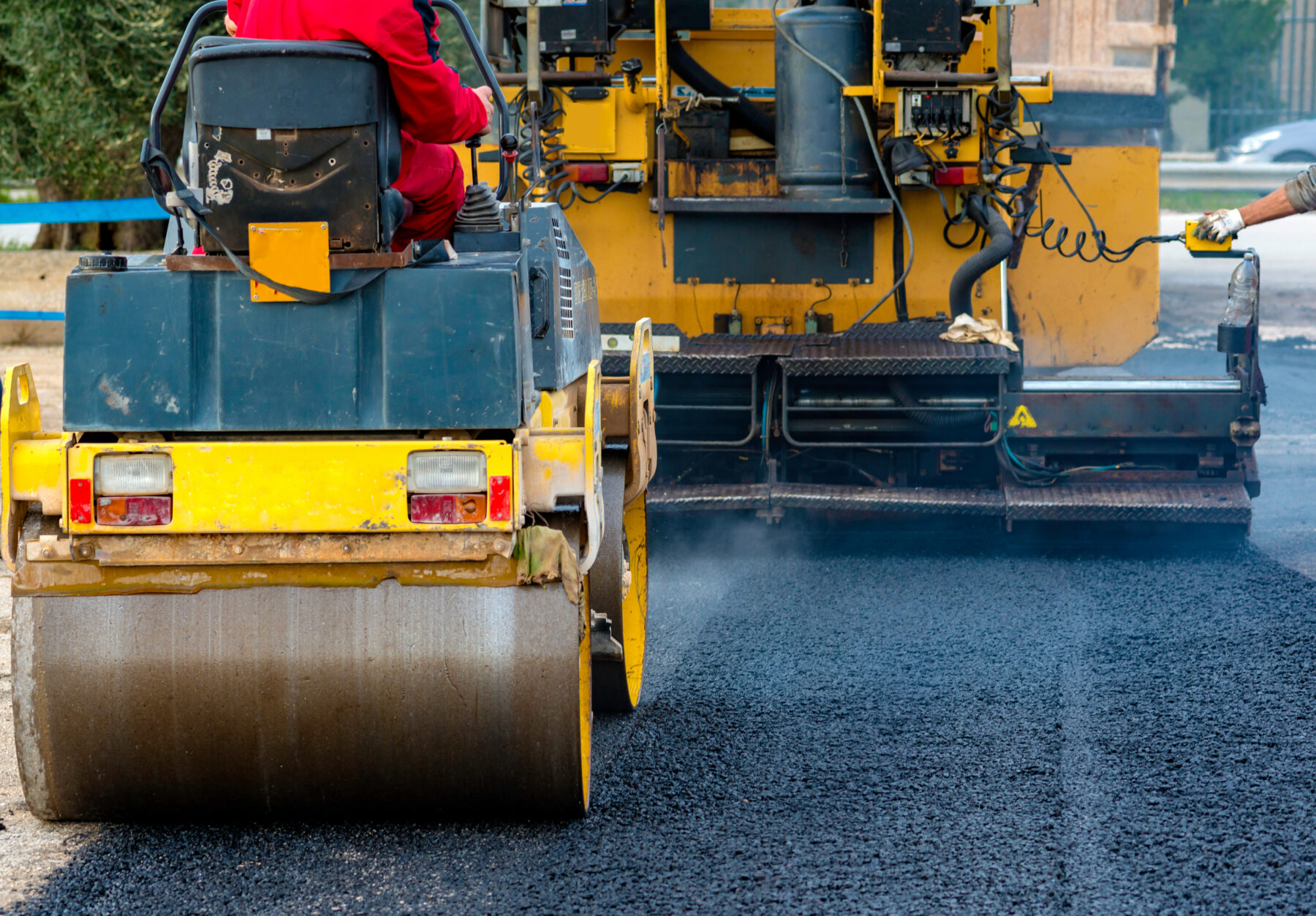
Choosing asphalt for a driveway or private road starts with the conditions it will need to handle. Traffic, soil, pavement thickness, drainage, edge support, and post-paving care all affect how well the surface holds up over time. Asking the right questions before work begins helps match the pavement structure to the property it will serve.
- What Traffic Will the Asphalt Carry?
Traffic sets the starting point for an asphalt driveway or private road, and the heaviest vehicle that uses it matters more than the daily count of cars. A driveway serving two passenger cars carries a very different load than a private road used by propane deliveries, garbage trucks, or a loaded horse trailer. Heavier axles bend the pavement further with each pass, and that repeated flexing cracks a section built too thin.
Fire engines belong on that list for longer private roads. Many local fire-access standards require a private road or long driveway to carry the weight of a fire apparatus and to stay within set width and grade limits. A call to the local fire agency early can change the design before any material is ordered.
- Is the Subgrade Ready for Asphalt?
Whatever traffic the pavement carries, the subgrade under an asphalt driveway is the native soil that ends up supporting it, so that soil needs to be firm and evenly compacted before any rock goes down. Sod and root-filled topsoil come out first, since buried organic material decays and leaves voids. A proof roll with a loaded truck then shows soft spots as visible rutting or pumping, and those areas get dug out and replaced with compacted rock.
Clay soil needs extra attention. Clay swells as it takes on winter rain and shrinks through a dry summer, and that seasonal movement can crack asphalt from below. A deeper section of rock, often with a layer of subbase between the clay and the base, puts more stable material between that movement and the pavement.
- How Thick Should the Base and Asphalt Be?
With a firm subgrade in place, the thickness of the base and asphalt comes next, and Asphalt Institute guidance for a typical residential driveway calls for 6 to 8 inches of compacted crushed aggregate base under at least 2 inches of compacted hot mix asphalt. A driveway meant to last longer often goes to two lifts, a 2-inch base course topped by a 1.5-inch surface course, which gives the pavement more depth to spread a wheel load before it reaches the rock.
Class II base rock is the usual choice for that lower layer, because its blend of coarse and fine particles compacts into a dense, interlocked mat. A private road that sees regular truck traffic or sits on soft clay commonly needs a thicker base, more asphalt, or both.
- How Will Water Drain From the Driveway?
Drainage protects the depth just built into an asphalt driveway, since water that reaches the rock softens it and lets wheel loads push it out of shape. General guidance calls for a slope of about a quarter inch per foot from the crown or high side to the edge, roughly 2 percent, so rain runs off the surface instead of sitting on it. Long driveways also need fall along their length.
Where that runoff lands matters just as much. Water headed toward a garage or foundation needs a different route, and an asphalt berm along the low side can steer it toward a ditch or catch basin.
- What Will Support the Asphalt Edges?
Edges are where drainage and traffic meet on an asphalt driveway or private road, and the outer few inches of pavement have nothing beside them to resist the outward push of a tire. Unsupported edges tend to crack parallel to the border and break away, especially where cars run along the edge or water sits in the soil next to it.
Compacted subbase or base rock placed along the edge as shoulder backing braces the pavement from the side and keeps the shoulder level with the asphalt. Those shoulders lose fine material in dry weather much like gravel roads do, so topping them up with screened chips before the busy season keeps the edge braced.
- What Care Does a New Asphalt Driveway Need?
Even with its edges braced, a new asphalt driveway needs a few months of gentle use, because the binder stays somewhat soft while its lighter oils work out of the surface. Cars can usually drive on it within a day or two. Steering-wheel turns while parked, trailer jacks or kickstands set on the surface, and heavy equipment left in one spot can scuff or dent it through that first warm season.
The first sealcoat goes on only after the surface hardens, with general guidance pointing to at least 90 days and often six to twelve months. From there, sealing cracks as they appear keeps rain out of the base rock that carries the whole driveway.
An Asphalt Driveway Sized to the Property
A driveway or private road usually fails from underneath, not from how it looks on paving day. Asking the right questions before work starts helps prevent thin sections, soft spots, drainage trouble, and broken edges that are harder to fix later. BoDean Company supplies Class II base rock, subbase, berm mix, and hot and warm mix asphalt for driveway and private road projects. Share your project dimensions and anticipated traffic requirements when requesting a quote to help identify the right materials for the job.