

Gravel Roads in Summer: Managing Dust, Wear, and Heavy Use
June 4, 2026
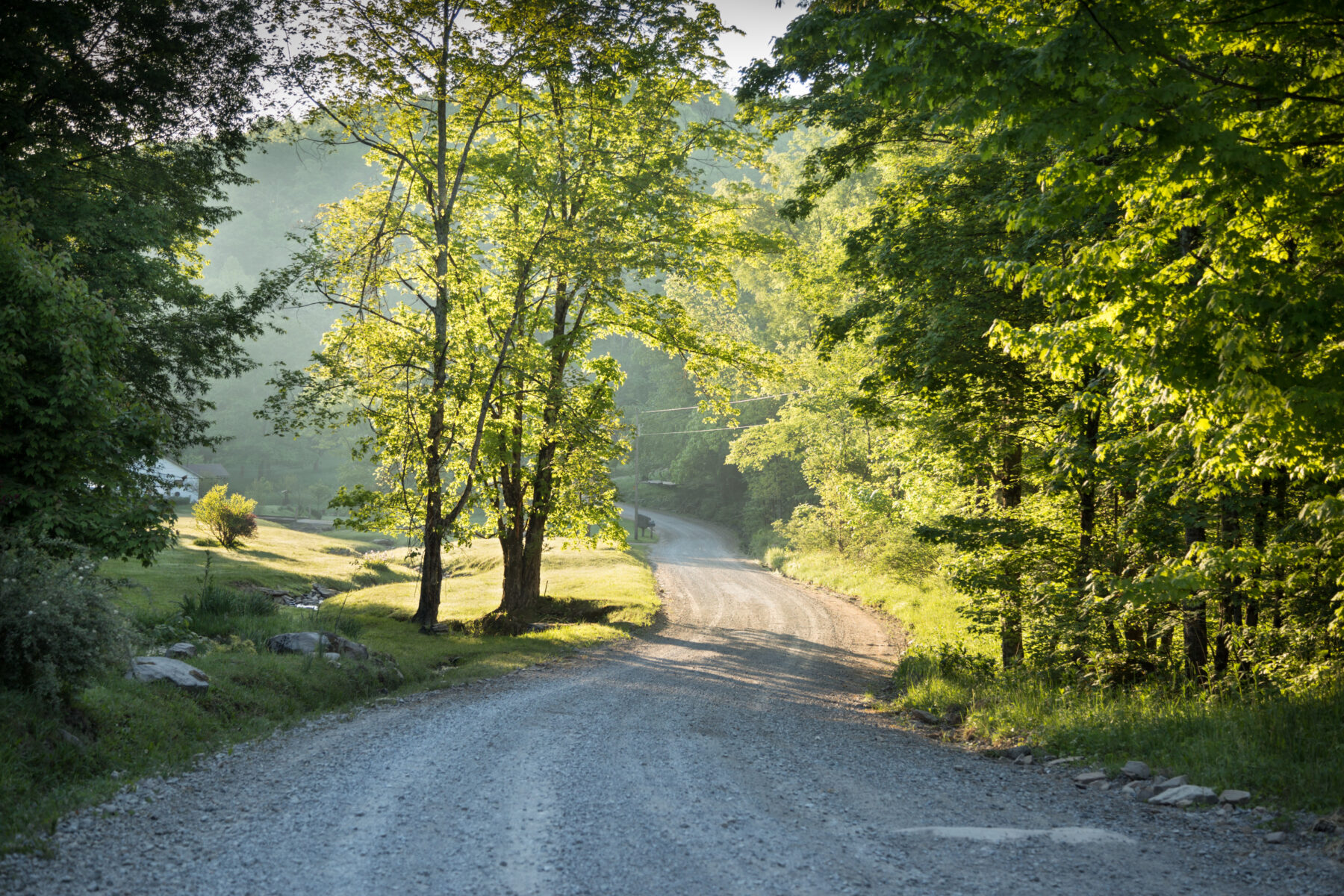
Summer can take a heavy toll on gravel roads. Dry conditions, steady traffic, and increased agricultural use can quickly wear down unpaved surfaces, leading to dust, rutting, washboarding, and material loss. Without the right maintenance and aggregate strategy, roads that performed well in spring can deteriorate fast by midseason.
What Summer Actually Does to a Gravel Road
Moisture loss is the first mechanism that accelerates gravel road deterioration when temperatures climb and rain stops. Without water acting as a natural binder, the fine particles that hold aggregate in place begin to loosen, creating the powdery surface condition that generates dust under traffic and leaves behind material that no longer contributes to road structure. Those displaced fines layer represents aggregate that has left the road surface permanently, progressively thinning the wear course above the subgrade. Washboard formation and rutting accelerate from there under repeated load, particularly where vehicle speeds are inconsistent.
Under sustained load from agricultural equipment, winery access roads, and rural construction corridors, summer traffic volumes run far higher than what fall and winter patterns bring. Each pass of a loaded vehicle transfers stresses downward through the aggregate layer, and where the surface has thinned from dust loss, that stress reaches the subgrade more directly. The result is uneven settlement and surface deformation that turn road maintenance into a reactive cycle rather than a scheduled one.
Building the Foundation Right
The condition a gravel road reaches by August often reflects decisions made well before summer begins. Base rock is the structural layer that absorbs and distributes load, and its grading directly influences how the surface above it performs under pressure. A densely graded blend of coarse and fine aggregate, base rock compacts into a stable matrix that resists lateral movement and supports the wear course through seasonal shifts. Without that foundational layer properly in place, surface materials migrate, edges erode, and the road cross-section loses the geometry that sheds water and channels traffic load uniformly.
For roads that see heavy equipment, Class II base rock compact to a tight, interlocked structure that holds under repeated passes. Virgin base rock, mined and processed directly from quarry material, brings consistent grading and minimal contamination. Recycled Class II base is another practical path for roads requiring material volume. Either way, the base layer sets the ceiling for what the surface above it can sustain.
Surface Refresh with Screened Chips
Where the base is sound but the surface has worn thin from traffic and dust loss, screened chips restore the wear course without requiring full road reconstruction. The smaller crushed rock fills the gaps left by displaced fines, re-establishes surface texture, and gives the road a cohesive riding surface again. Applied before peak summer traffic, a screened chip surface treatment extends the service interval between major maintenance passes and reduces the dust generation that comes from a depleted surface layer.
Washed screened chips carry an added benefit in that context. Clay and dirt are removed during production, which means the material integrates cleanly into the existing surface without introducing additional fines that would accelerate dust formation. That distinction matters most on roads with high daily traffic counts, where surface contamination accelerates the same breakdown cycle the initial refresh was meant to interrupt.
Timing Maintenance for Summer Conditions
Gravel road maintenance in summer is most effective when it runs ahead of the heaviest traffic windows rather than behind them. A base rock refresh or screened chip application in late spring, before agricultural season peaks, keeps the road surface intact through the months when use is highest and material losses accumulate fastest. Waiting until the road shows visible distress means the maintenance scope widens, as ruts and cross-section failures require more material, more grading passes, and longer cure time before the surface is ready for full traffic loading again.
Compaction timing also factors into the equation. Hot, dry conditions affect how aggregate settles after placement, and in some cases, lightly pre-wetting material before compaction passes produces tighter interlock across the surface layer. Pairing a base rock repair with a screened chip top dressing in the same mobilization addresses both structural and surface conditions in one effort, without requiring the road to be taken out of service twice.
Aggregate selection timed with intent keeps roads functional through heavy-use periods and extends the interval between major reconstruction efforts. Whether the need is base rock for foundational repair or screened chips for a surface refresh, matching the material to the condition and load is where the work begins. Request a quote from the Bodean Company to get the right materials lined up before summer traffic peaks.