

How Aggregate Gradation Affects Concrete Strength, Drainage, and Long-Term Performance
August 1, 2026
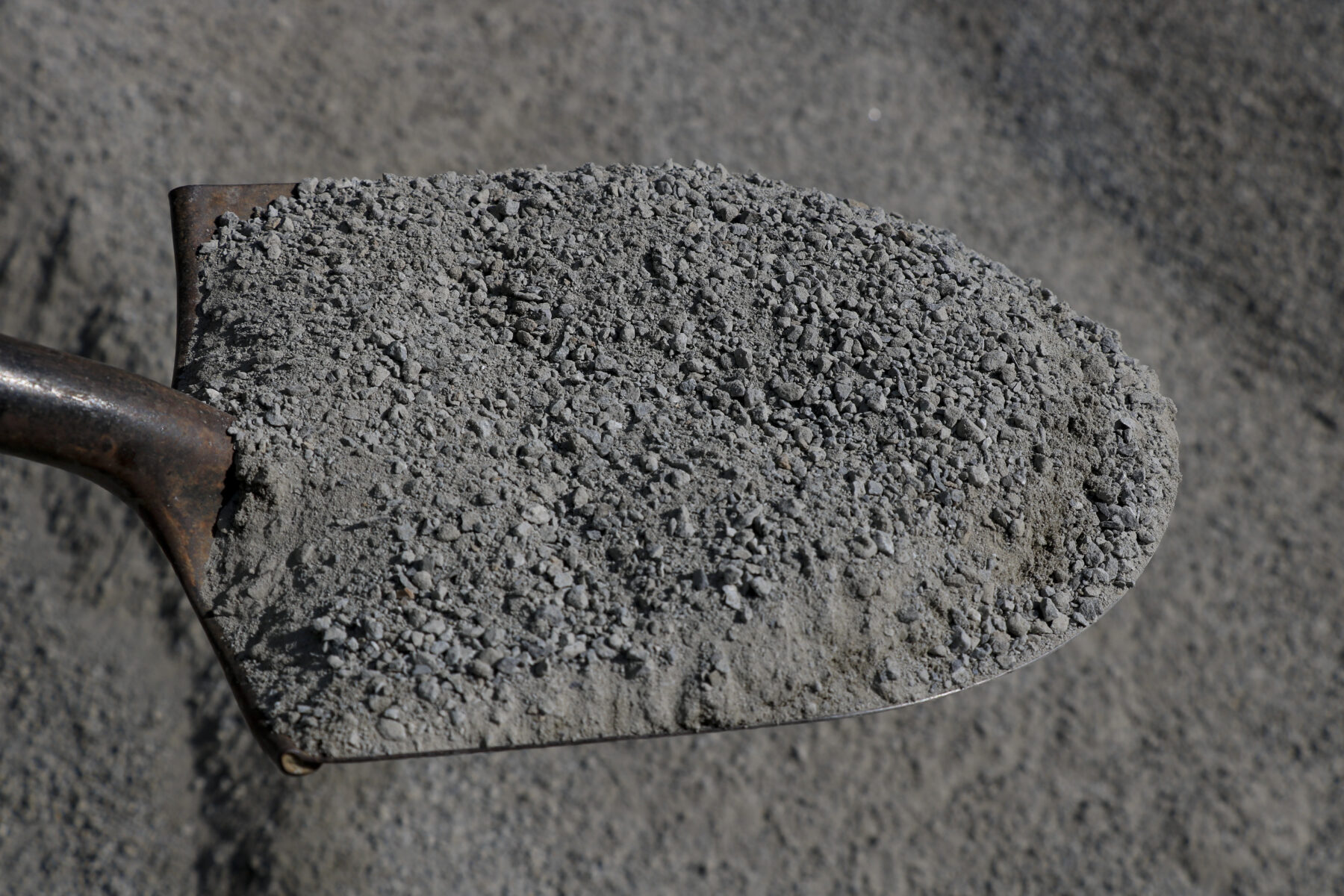
Most concrete failures trace back to one decision made before the pour starts. Aggregate gradation shapes almost everything a concrete mix can do. It decides how strong the finished slab becomes, how well water moves through the base and how long the structure holds up under daily stress. Get the gradation right and the concrete resists cracking, drains properly and performs for decades. Get it wrong and problems show up early.
What Is Aggregate Gradation?
Aggregate gradation describes the distribution of particle sizes within a batch of rock, sand or gravel. In simple terms, it measures how many large, medium and small particles fit together in a given mix.
Engineers sort aggregate by passing it through a stack of sieves. Each sieve catches particles of a certain size. The results show whether a batch leans coarse, fine or somewhere in between.
Gradation usually falls into three categories:
- Well-graded: a balanced spread of particle sizes that pack tightly together.
- Poorly graded: too many particles of the same size, leaving gaps.
- Gap-graded: certain sizes missing on purpose for specialized uses.
A well-graded aggregate fills space efficiently. Smaller particles slot into the voids left by larger ones, which reduces empty pockets and creates a denser, more stable material.
Why Does Gradation Matter So Much in Concrete?
Concrete is a mix of cement paste and aggregate. The aggregate makes up roughly 60 to 75 percent of the total volume, so its behavior drives the performance of the entire mix.
When particles pack tightly, the cement paste has less empty space to fill. That means the mix needs less water and less cement to bind everything together. Lower water content leads to stronger, more durable concrete.
Poor gradation forces the opposite. Gaps between particles demand extra paste and water, which weakens the final product and raises material costs. On a large pour, that difference adds up fast.
How Does Gradation Affect Concrete Strength?
Strength depends on density, and density depends on how well the particles fit together.
Tighter Packing Builds Higher Strength
A well-graded mix creates fewer voids. Fewer voids mean the load spreads evenly across the aggregate skeleton instead of concentrating on weak points. The result is concrete that handles more compression before it fails.
Water Content Ties Directly to Gradation
The water-to-cement ratio is one of the biggest factors in concrete strength. Well-graded aggregate lowers the water demand because the particles already fill most of the space. Less water produces a denser paste and a stronger bond.
Consistency Reduces Weak Spots
Reliable gradation keeps every batch uniform. When the size distribution stays consistent from load to load, the finished concrete performs the same across the whole project. Inconsistent aggregate creates soft zones that crack under stress.
A quick summary: dense packing plus low water content plus batch consistency equals stronger, longer-lasting concrete.
How Does Aggregate Gradation Influence Drainage?
Drainage is where gradation choices become very visible. Water needs a clear path to move through a base layer, and particle size controls that path.
Coarse, open-graded aggregate leaves large voids that let water pass through quickly. This works well for drainage layers, French drains and permeable bases where moisture has to escape fast.
Dense-graded aggregate does the opposite. Tightly packed particles limit water flow, which suits foundations and road bases that need stability more than permeability.
Choosing the wrong gradation for the job site leads to trouble:
- Standing water under a slab can undermine the base.
- Trapped moisture speeds up freeze-thaw damage.
- Saturated soil loses load-bearing strength.
Matching gradation to the drainage goal protects the structure long after the concrete cures.
How Does Gradation Affect Long-Term Performance?
The first year rarely reveals the full story. Gradation problems often surface years later through cracks, settling or surface wear.
Resistance to Cracking
Well-graded concrete shrinks less as it cures because it holds less water. Lower shrinkage means fewer stress cracks over time.
Durability Against Weather
Dense concrete resists water penetration, which protects against freeze-thaw cycles and chemical exposure. In a region with wet winters, that durability matters for driveways, foundations and road surfaces.
Stable Base Support
A properly graded base keeps structures level. Poorly graded material shifts and settles, which transfers stress to the concrete above and shortens its service life.
The link is direct. Sound gradation today prevents expensive repairs later.
What Are Common Gradation Mistakes to Avoid?
Even experienced crews run into gradation issues. A few patterns show up again and again.
- Using a single-size aggregate for structural concrete. This leaves too many voids and weakens the mix.
- Ignoring the drainage requirements of the site. Dense-graded rock in a spot that needs flow traps water.
- Mixing loads from inconsistent sources. Different gradations in the same pour create weak transitions.
- Adding extra water to improve workability. This is a common workaround when aggregate gradation is off, but extra water weakens the cement paste and reduces the final strength of the concrete. It treats the symptom instead of the source.
The better approach starts with a clear spec, a tested aggregate source and a supplier that delivers consistent material every load.
Why Does the Aggregate Source Matter?
Gradation is only as reliable as the quarry behind it. A supplier that processes and tests rock carefully delivers material that matches the spec load after load.
BoDean Company has supplied quality crushed rock and asphaltic concrete since 1910, operating from the Mark West Quarry and serving the greater Santa Rosa area and northern Napa County. That long history in one region means the product reflects local conditions, from soil types to seasonal rainfall. Consistent processing keeps gradation dependable, and when gradation is dependable, contractors can plan with confidence knowing the mix will perform the same way from the first load to the last. For projects across Santa Rosa and Forestville, local sourcing also shortens haul distances and keeps material fresh and uniform.
Defining the right gradation for the project and sourcing it from a proven local supplier are the foundations of a dependable mix. Contact BoDean Company to source quality crushed rock matched to the demands of the site.
Frequently Asked Questions
What is the difference between well-graded and poorly graded aggregate?
Well-graded aggregate contains a balanced range of particle sizes that pack tightly and leave few voids. Poorly graded aggregate has too many particles of the same size, which creates gaps, raises water demand and weakens the mix.
Can gradation reduce concrete cracking?
Yes. Well-graded aggregate holds less water, so the concrete shrinks less as it cures. Lower shrinkage means fewer stress cracks and a longer service life.
What gradation is best for drainage applications?
Open-graded or coarse aggregate works best for drainage because the large voids let water move through quickly. It suits French drains, permeable bases and any layer that needs fast water flow.
How does gradation affect the cost of a concrete project?
Well-graded aggregate needs less cement and less water to bind the mix, which lowers material costs and reduces waste. Poor gradation forces extra paste and often extra repairs, so it raises total project cost over time.
Does the aggregate supplier really affect gradation quality?
Absolutely. A supplier that processes and tests rock consistently delivers material that meets the spec on every load. Reliable sourcing is what keeps gradation dependable across an entire project.