

Choosing Between Hot Mix and Cold Patch Asphalt for Business Property Repairs
December 3, 2025
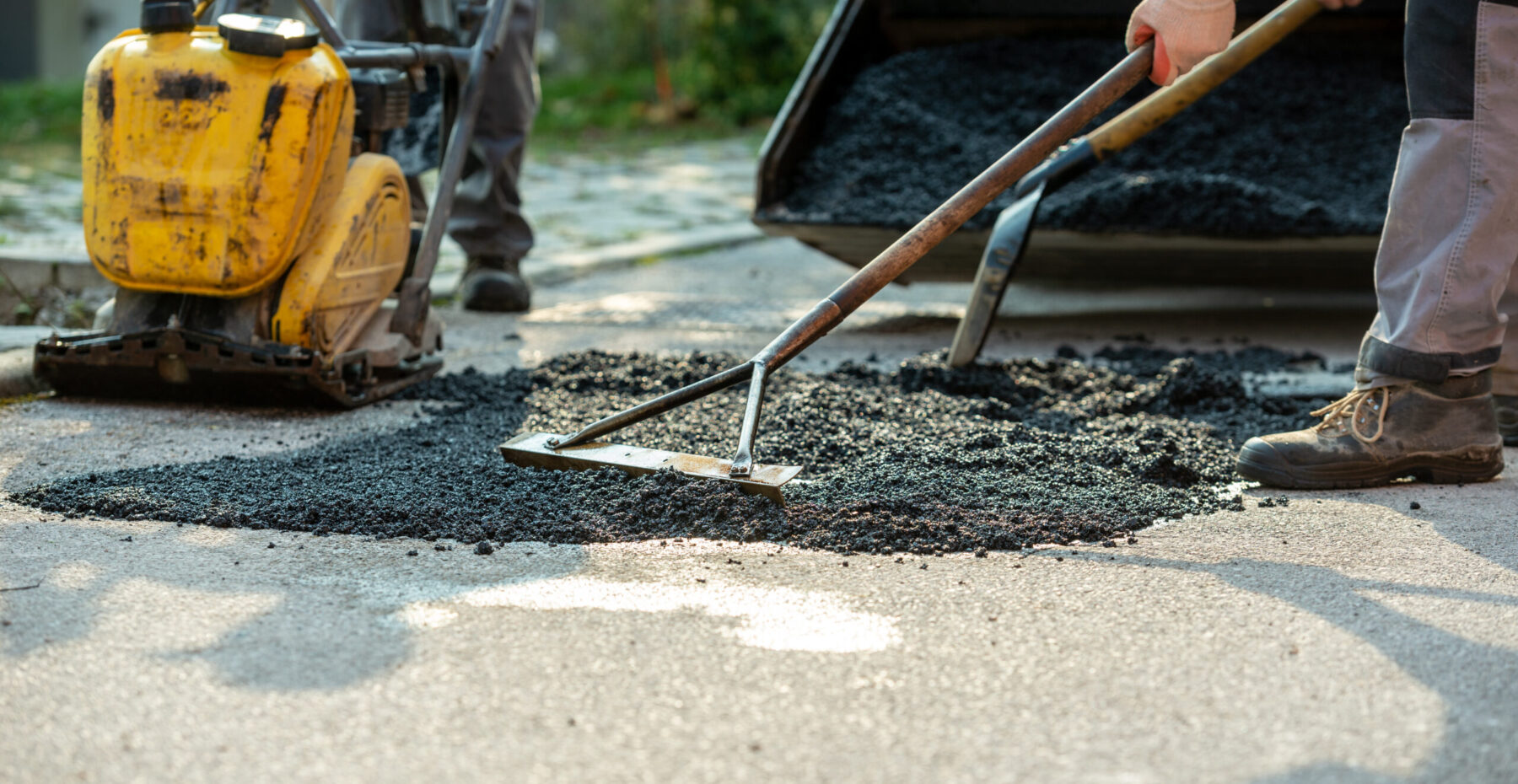
Maintaining a smooth, reliable paved surface plays a meaningful role in how a commercial property operates. Traffic patterns, seasonal changes, and daily wear all influence the condition of the pavement, and when repairs become necessary, material choice determines how effectively those repairs support ongoing performance. Hot mix and cold patch asphalt each bring their own strengths to the maintenance process and understanding how they behave helps property teams match the repair method to the demands of the environment.
Hot Mix Asphalt and Its Role in Durable Repairs
Hot mix asphalt has long been associated with dependable structural behavior. Produced at high temperatures, the material forms a cohesive blend that compacts into a unified layer once placed. This creates a surface that accepts continual movement from delivery trucks, passenger vehicles, and equipment without loosening or developing unnecessary voids. As it cools, the material settles into a dense finish that stands up well to routine pressure.
Because hot mix bonds directly to the surrounding pavement, the repaired area transitions cleanly into the existing surface. That integration strengthens the entire section rather than isolating the repair as a weaker point. For properties managing predictable traffic volume or looking to stabilize key access routes for the long term, this level of continuity provides reassurance that the pavement will remain consistent through changing seasons. Warmer weather remains the ideal installation window, but when conditions align, hot mix asphalt offers strength that contributes to a stable, well-managed maintenance schedule.
Cold Patch Asphalt and Its Value During Challenging Conditions
Cold patch asphalt answers a different set of needs, particularly during colder months or periods when full-scale work cannot move forward. Packaged and ready for immediate placement, the material eliminates heating requirements and enables repairs at times when hot mix installation is limited. This makes it especially useful when potholes appear during winter or when rapid temperature shifts start to impact surface integrity.
The material compresses easily and forms a protective layer that shields the damaged area from moisture infiltration and continued stress. While it does not reach the same structural density as hot mix, it provides a reliable buffer that prevents additional deterioration. That capability is important for businesses focused on keeping traffic lanes, loading zones, and parking areas functioning without interruption. Cold patch asphalt also supports properties facing sudden or unexpected damage, allowing crews to stabilize the pavement quickly so daily operations continue without added strain.
How Each Material Shapes Commercial Property Performance
The way these materials behave under real-world conditions helps outline their purpose within a broader maintenance strategy. Hot mix asphalt reinforces structural integrity, strengthens load-bearing capacity, and establishes smooth transitions that align with long-term planning. Its performance suits areas exposed to steady pressure, turning a localized repair into a stable component of the larger surface.
Cold patch asphalt fits the periods when timing or weather present obstacles. It holds the pavement together until more extensive work becomes possible, preserving safety and accessibility across the property. This responsiveness keeps minor issues from growing into disruptions and allows scheduling flexibility when crews must prioritize urgent tasks.
Together, these materials support a balanced approach to property management. When repair choices follow the conditions of the site, the temperature of the season, and the operational requirements of the business, pavement performs more predictably and maintenance planning becomes easier to control.
Aligning Repair Choices with Property Goals
Selecting between hot mix and cold patch asphalt comes down to the outcome the repair needs to deliver. Hot mix serves long-term stability, surface integration, and structural strength. Cold patch offers timely reinforcement when conditions limit traditional installation or when protecting the pavement through winter becomes the priority. Both play distinct roles, and when used intentionally, they help commercial properties maintain efficiency and remain ready for the demands of each season.
Businesses preparing for upcoming repairs or refining their maintenance approach benefit from working with a supplier who can guide material selection and timing. With the right support, each repair contributes to a pavement system built for smooth operation throughout the year.