

Why Modern Asphalt Binder Testing Is Critical for Preventing Winter Pavement Failures
January 6, 2026
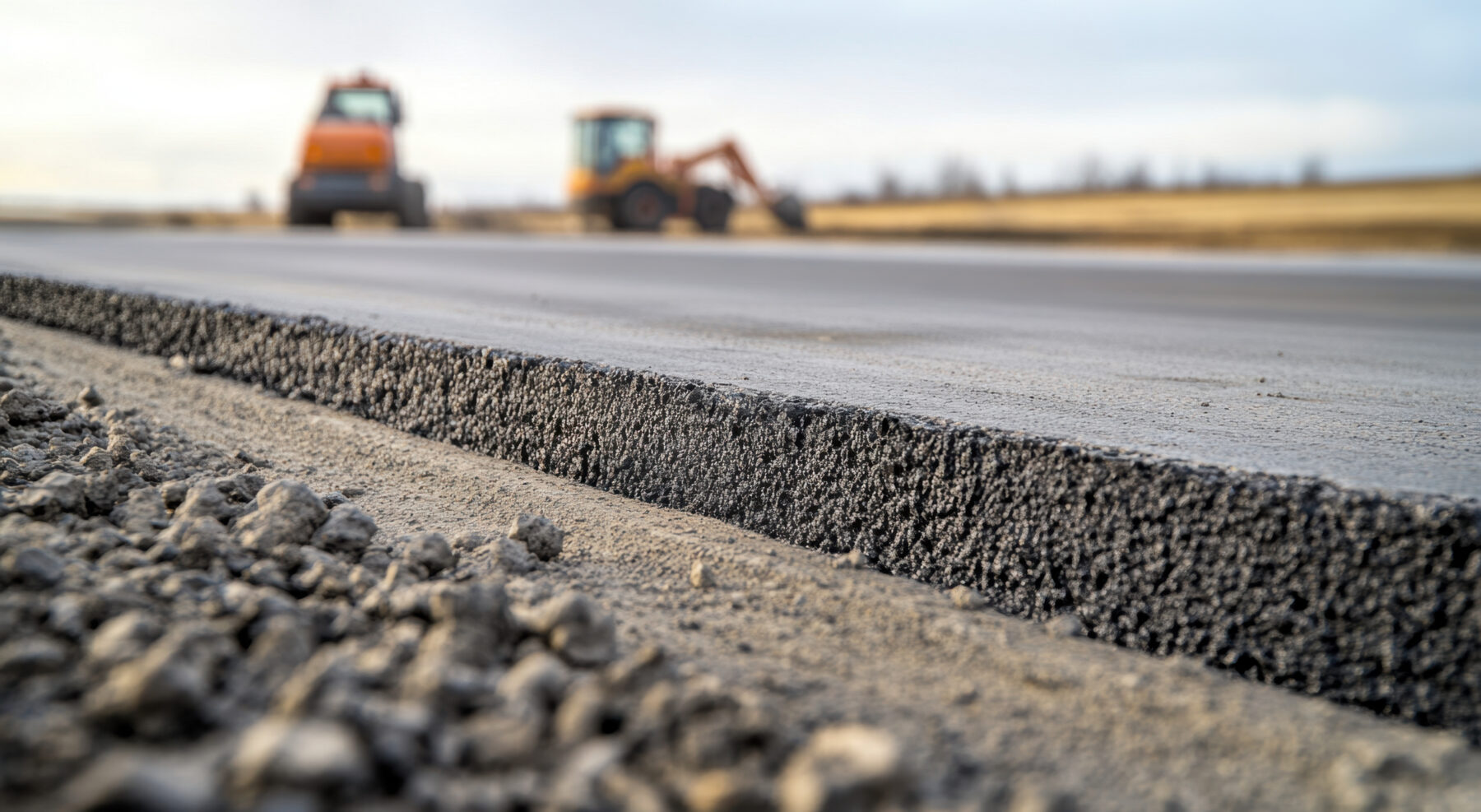
Cold weather quickly reveals which pavements were built for longevity. Winter conditions place sustained stress on asphalt surfaces, not by introducing new forces, but by exposing material limitations already present. Cracking, raveling, and early surface distress often trace back to binder behavior that was never fully evaluated for low-temperature conditions. As a result, modern asphalt binder testing has become a core safeguard against winter pavement failures rather than a secondary checkpoint.
As traffic demands increase and climate variability widens, asphalt binders are expected to maintain flexibility across broader temperature ranges. Meeting those expectations depends on understanding how binder properties respond to cold stress well before mixtures reach the roadway. Testing has moved beyond basic compliance and toward performance-driven insight that informs material decisions from the outset.
How Winter Stress Develops at the Binder Level
Low-temperature pavement distress begins within the binder itself. As temperatures fall, asphalt binders stiffen and gradually lose the ability to accommodate thermal contraction and traffic-induced movement. When flexibility drops below a critical threshold, stress accumulates faster than it can be relieved, leading to cracking. Once cracks form, moisture intrusion accelerates damage through repeated freeze-thaw cycles, extending distress beyond the surface layer.
Modern binder testing targets this vulnerability early by examining stiffness, relaxation behavior, and cracking resistance under controlled cold conditions. Rather than relying on broad indicators that conceal critical differences, advanced testing isolates how binders respond as temperatures decline. This level of evaluation aligns material selection with actual winter exposure instead of assumed performance.
Where Traditional Grading Methods Fall Short
Earlier grading systems provided a useful foundation, but they were developed for traffic patterns and climate expectations that no longer reflect today’s conditions. A binder that satisfies legacy requirements may still lack the flexibility needed to withstand prolonged cold exposure or sharp temperature swings. Winter pavement failures across many regions have reinforced that limitation.
Performance-based testing fills this gap by directly measuring low-temperature response. Methods such as bending beam rheometer analysis and direct tension testing reveal how binders manage sustained stress and recover after loading. These insights distinguish materials that appear comparable on paper but behave very differently when temperatures plunge.
Limiting Thermal Cracking Through Targeted Evaluation
Thermal cracking remains one of the most persistent and costly forms of winter pavement distress. It develops when binders cannot relax stress quickly enough as pavement contracts in cold conditions. Once cracking begins, repairs often require extensive sealing or resurfacing, increasing maintenance demands and shortening pavement life.
Modern asphalt binder testing addresses this challenge by focusing on creep behavior and stress relaxation rates. Measuring how efficiently a binder dissipates stress at low temperatures supports the selection of materials capable of enduring repeated thermal cycles. This targeted evaluation reduces the likelihood of early cracking and helps preserve pavement integrity through successive winters.
Strengthening Mix Design With Binder Insight
Binder behavior influences every aspect of asphalt mix performance, particularly in cold weather. Aggregate structure, binder content, and additives interact differently depending on binder properties. Without accurate low-temperature data, even well-proportioned mixes can struggle once winter conditions set in.
Advanced binder testing provides the data needed to align binder selection with aggregate gradation and anticipated climate stress. This alignment improves load distribution, limits internal stress buildup, and supports consistent performance throughout the pavement structure. With binder behavior clearly defined, mix design functions as a coordinated system rather than a series of isolated decisions.
Managing Risk as Winter Conditions Become Less Predictable
Winter weather patterns are becoming increasingly variable, with wider temperature swings and more frequent freeze-thaw cycles in many regions. These shifts place added stress on pavements and amplify the impact of marginal material choices. Relying solely on minimum specifications introduces avoidable exposure under these conditions.
Performance-based asphalt binder testing allows producers and agencies to manage that risk more effectively. Evaluating binder behavior across a broader temperature range enables material decisions that reflect real-world exposure rather than historical averages. This approach strengthens pavement resilience and supports longer service life despite changing climate patterns.
Building Confidence Through Data-Driven Quality Control
Modern binder testing also strengthens quality control throughout production and placement. Verifying binder properties before materials leave the plant reduces variability that often leads to localized failures. When winter distress does occur, detailed performance data supports clearer root-cause analysis and more informed corrective action.
This data-driven framework builds confidence across the supply chain. Contractors benefit from predictable material behavior during placement, while owners gain assurance that pavements are engineered for seasonal extremes. Over time, that confidence translates into fewer reactive repairs and more reliable lifecycle planning.
Preventing winter pavement failures begins with informed material evaluation well before cold weather arrives. Modern asphalt binder testing provides the insight needed to select binders that remain flexible, resilient, and stable as temperatures drop and stresses increase. Incorporating performance-based testing into material strategies strengthens pavement systems from the binder up, helping ensure roadways are prepared long before winter conditions take hold.